¶ XBRL Mapping
Message Mapping is the process of transforming data from one format, structure, or schema to another format, structure, or schema, ensuring that the semantic meaning and business intent of the data is preserved during the transformation.
First Mapping as capability is explained. After the capabilities of XBRL mapping are introduced. Note that this approach is a complete different approach than using DPM based XBRL filling.
¶ XBRL XSLT based mapping explained
For XBRL one desire a capability to map to and from XBRL. Below the mapping from XBRL to a target document is explained using the GLOMIDCO XBRL processor.
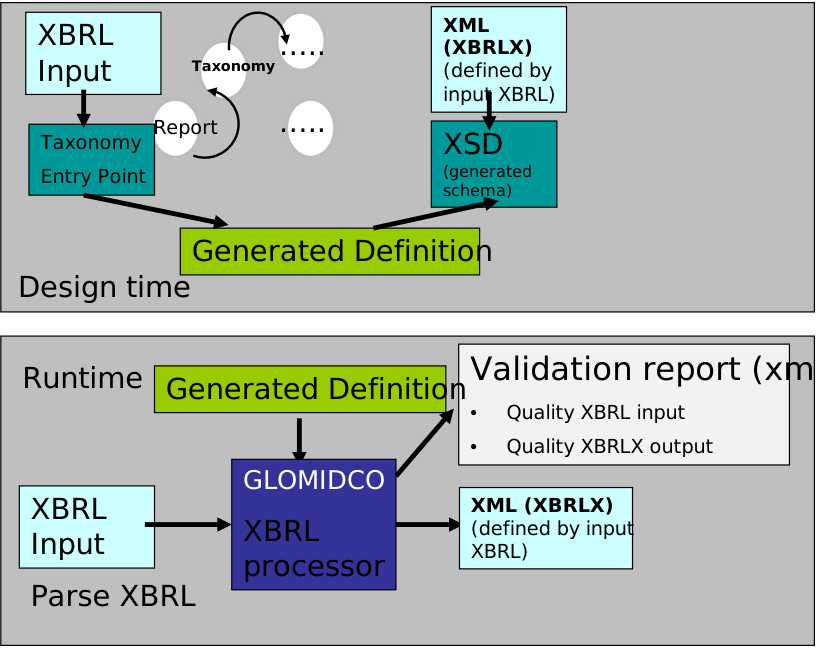
Figure M-3 XBRL as input
To work with XSLT as capability to map from XBRL (parse an XBRL), the GLOMIDCO XBRL processor allows a design time creation of an Schema representation of the XBRL document. There are multiple viewpoints selectable to generate a design time XML schema which represent the XBRL instance. By selecting a TAxonomy package, a Taxonomy within and selecting an Entry Point the schema can be generated and saved into the project. Generating a schema is a expensive (time and memory exhausting) setp and by preserving the generated schema this has only be done once.
A misconception which is often seen is that XBRL is just some sort of XML. That is totally wrong.

Table M-1
Note that the GLOMIDCO XBRL processor at runtime always works with the real XBRL model and not the XSD. To denote a standard XSD from a XSD at design time which represents an XBRL instance the concept of XBRLX is introduced. To guarantee the preservation of XBRL capabilities GLOMIDCO XBRL processor applies an isomorphic projection as can be seen in the figure below. Isomorphism also implies that at any time the original XBRL instance can be generated again (round-trip isomorf).
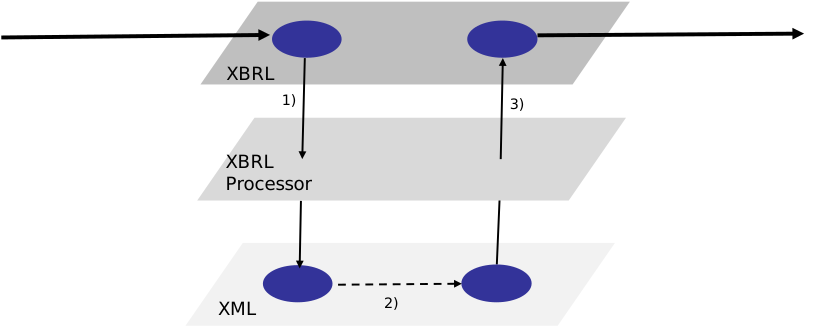
Figure M-4 isomorphic translation
Runtme the XBRL instance is validated (not shown in the figure) and if not valid it will throw and exception. Validation should be done before any transformation commense. In real life many XBRL instance have validation errors (unfortenately). Therefore the GLOMIDCO XBRL processor allows imperfect XBRL instances still being mapped. (it generates next to an output also a valdiation report).
It will not come as a surprise by the reader that generating an XBRL (thge opposite of consuming an XBRL) is the opposite process as can be seen below.
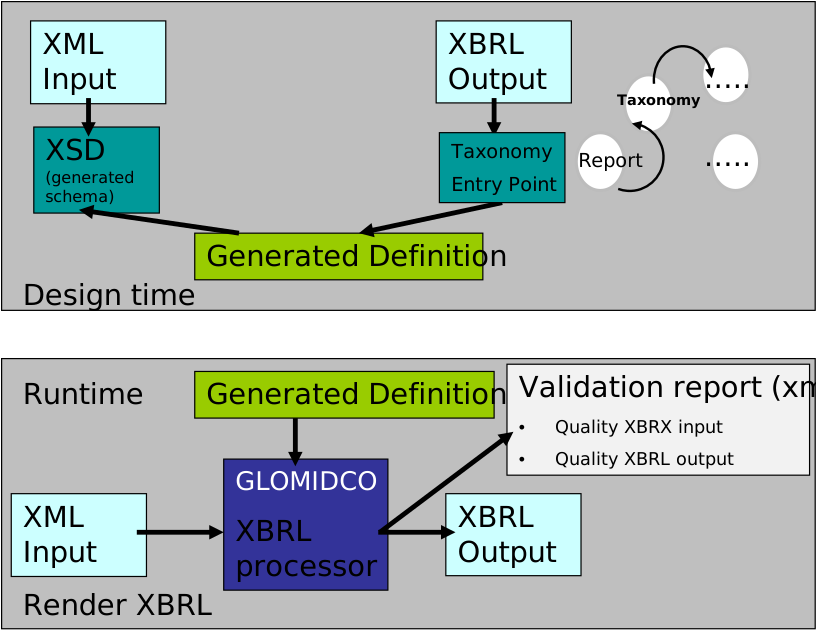
Figure M-5
The process of XBRL creation is a redering of the XBRL message. Also with redering an validation report is generated. When for example some fields in the input are filled wrongly (or left empty) is might inflict an XBRL validation error. Each generated XBRL comes with an XML based validation report. Also Semantically there might be errors when a Formula is not according the input data. Syntactical correct, semantical not.
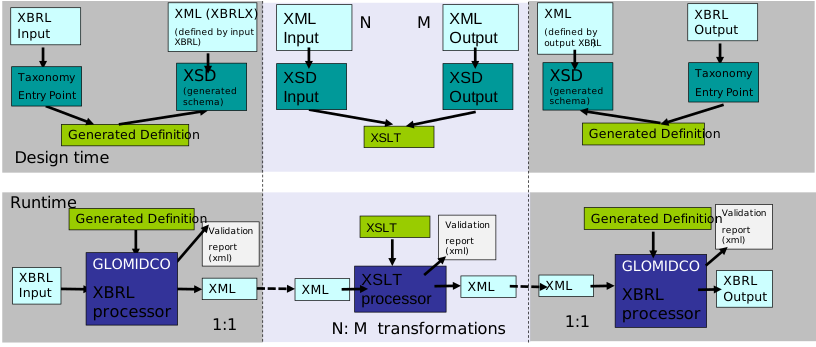
Figure M-6
How to map an XBRL to XBRL instance? As can be seen in the above figure, an XBRL instance can be mapped using XSLT to another XBRL instance. There are multiple steps involved. The XSLT transformation can take place in any type of middleware or in any code based solution supporting XSLT. For example in plain java.
Basis of mapping explained.
¶ Using Middleware like Tibco BusinessWorks 5.X for XBRL handling
The GLOMIDCO XBRL processor has been designed from day 1 for STP processing. Fast and embeddable inside any populair middleware solution.
An highlight can be seen below (which matches the XSLT capability as outlined before).
Example of a Tibco BW ESB flow (mapped upon the explanation of what is happening underneath)
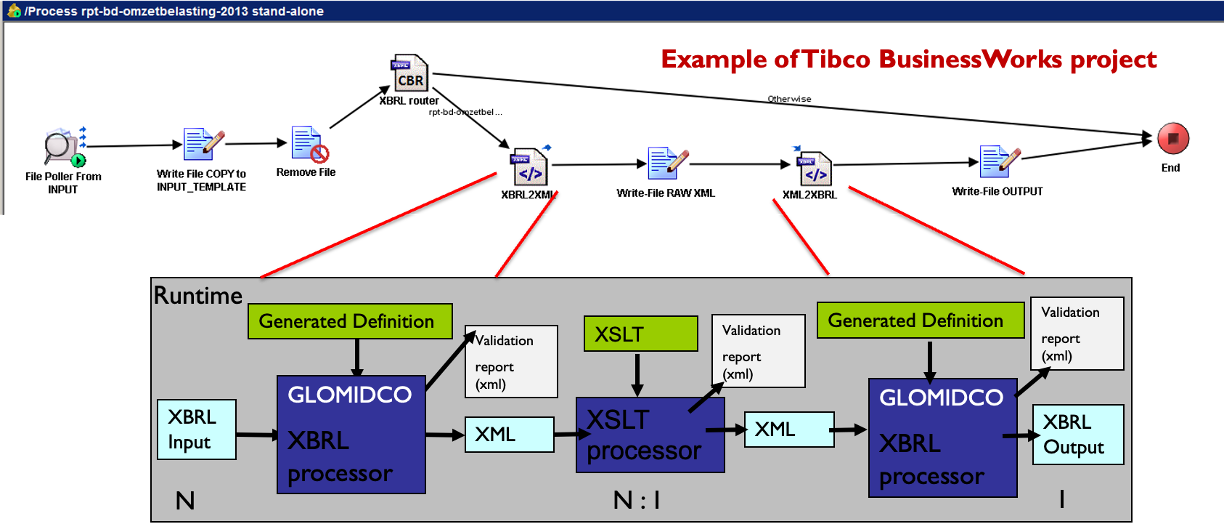
Figure M-10 Tibco BW and explanation of WoW.
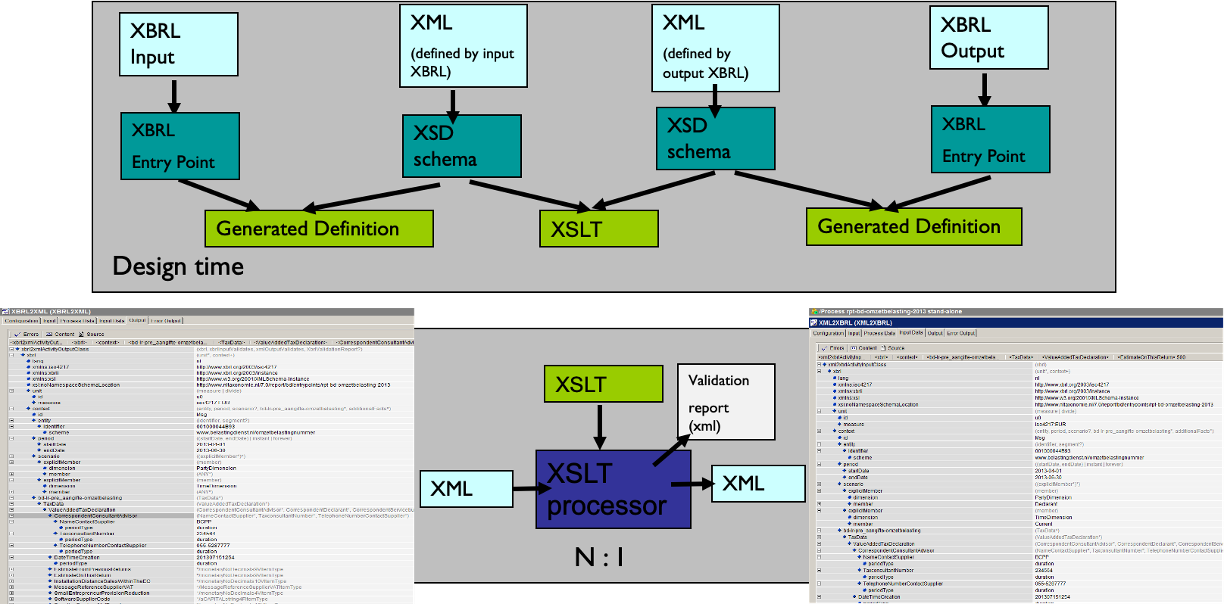
Figure M-11 Mapping example shown with strcutures of input and output XBRL
See the seperate page on the Tibco-XBRL-plugin for more details.
¶ Using UTL-X middleware and JSON based XBRL mapping
JSON mapping capabilities are limited compared to XML mapping capabilities. Also Validation in JSON is not as strong and rich as validation of XML. However many processes are using JSON messages. Tools like JSONATA, JQ can do a JSON 2 JSON mapping.
UTL-X is open source an freely available and usable for any kind of mapping and is a perfect match to use in combination with XBRL STP.
Also tools like Dataweave (Salesforce propriety) are Functional mapping capabilities.They allow XML + JSON -> JSON, XML+JSON -> XML and also taking CSV and YAML files as transmitter for messageing in the mapping.
See basis of mapping explained including UTL-X.
Putting it all together using UTL-X aa mapping capability from and to any XBRL can be seen below
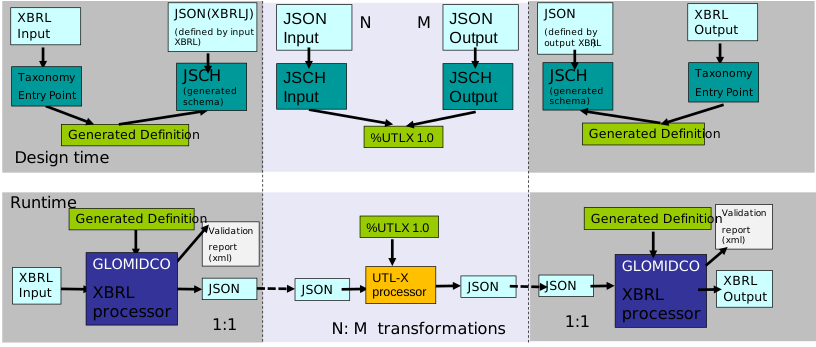
Figure M-9 End to end mapping solution for XBRL using UTL-X as mapping capability
Reamrk: The XBRL Taxonomy always stays the same and is based on XML technlogie! Only the XBRL Instance can be an JSON XBRL instance.
¶ Using Middleware like Webmethods Integration Server (IS) for XBRL handling
See Webmethods Integration Server (IS) XBRL Adapter
¶ Using Middleware like Mulesoft for XBRL handling
See the Mule 3 solution https://www.mulesoft.com/exchange/com.glomidco.xbrl/Mule-XBRL-Connector
Note Mule 4 and up Mulesoft XBRL Connector can be made and delivered on request
¶ Using Middleware like SAP CPI for XBRL handling
SAP CPI is the latest middleware release of SAP.
See SAP XBRL plugin for the GLOMIDCO XBRL processor embedding in SAP CPI.
Back to home page